Kilimanjaro Part 2: The Not-So-Glamorous Side
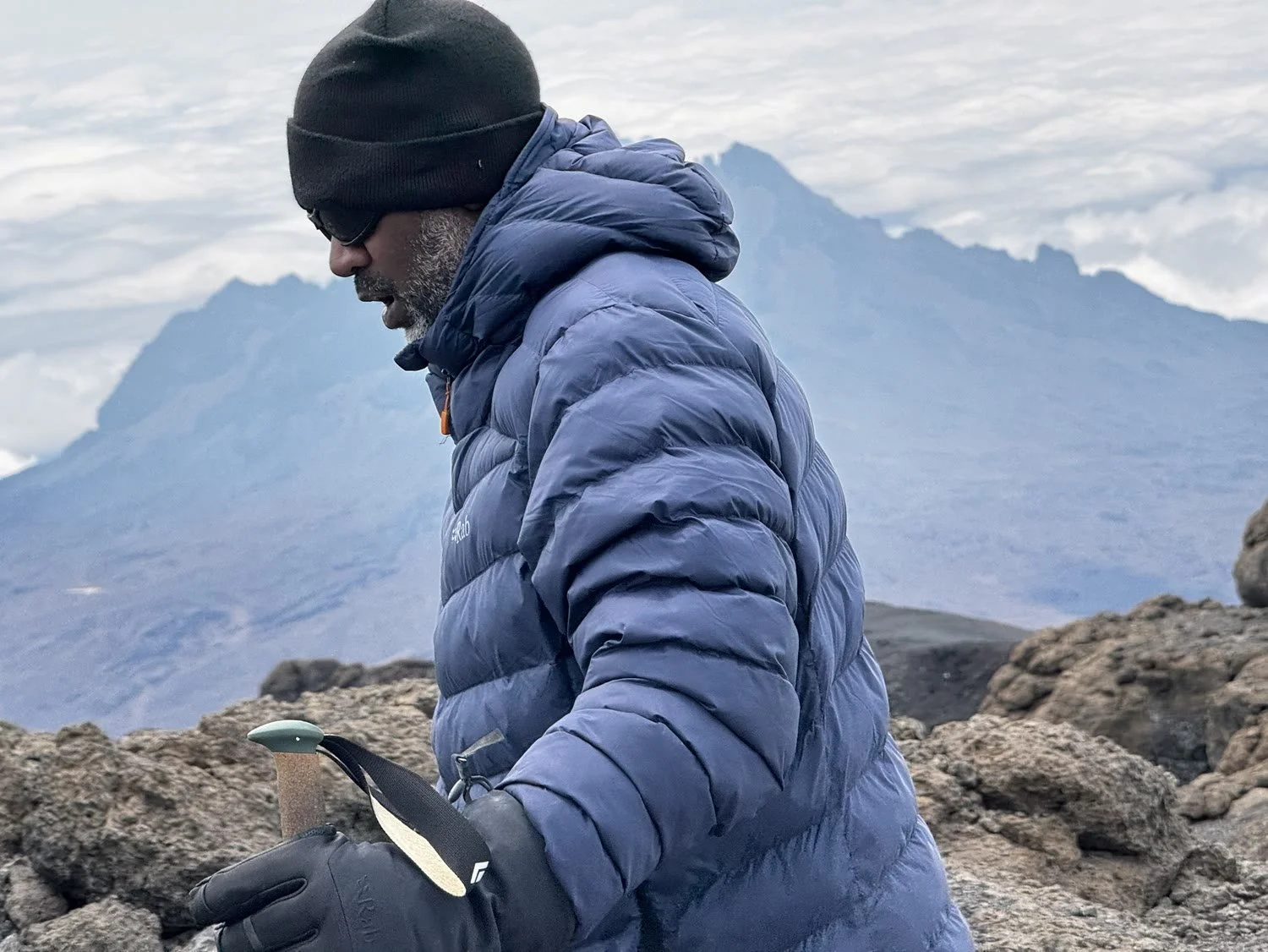
In Part 1 I told you about the views above the clouds, the porters, and holding up my brand at the top of Africa.
That's the bit everyone posts.
This is the bit nobody talks about.
In everything we do in this life, there's a trade-off to get to where you want to go. Kilimanjaro was no different. So here it is, from my own experience.
Summit morning
I'd walked for ten hours the day before, on the hottest day of the trip.
Then I got about one hour of sleep. Up at 3am, walking by 3:30.
My head was pounding. My body felt ten times heavier than normal. I was out of breath after every two steps. My old back pain showed up, my knees were sore and my left calf was tight.
At one point I genuinely felt like I was having an out-of-body experience.
The false hope
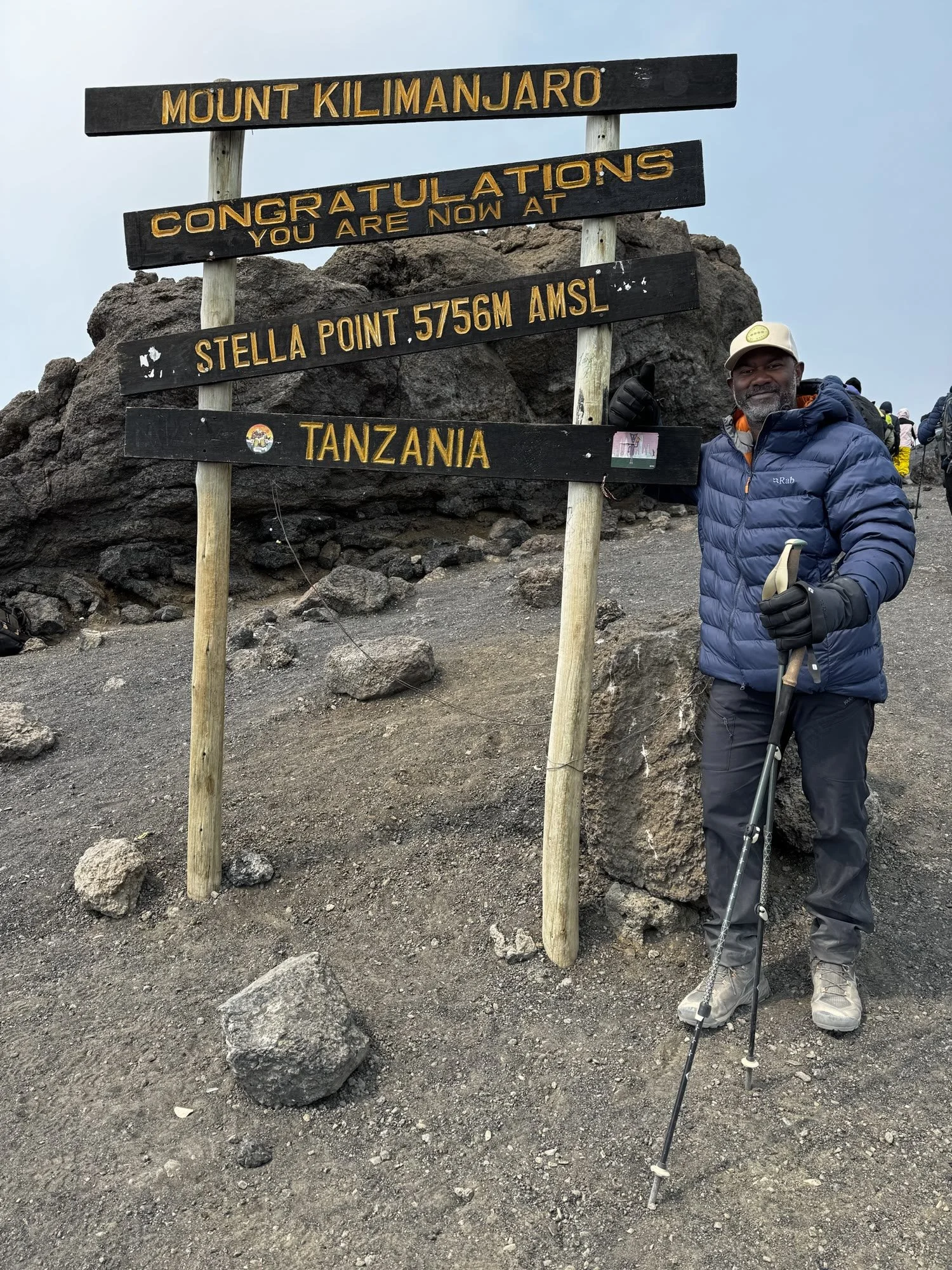
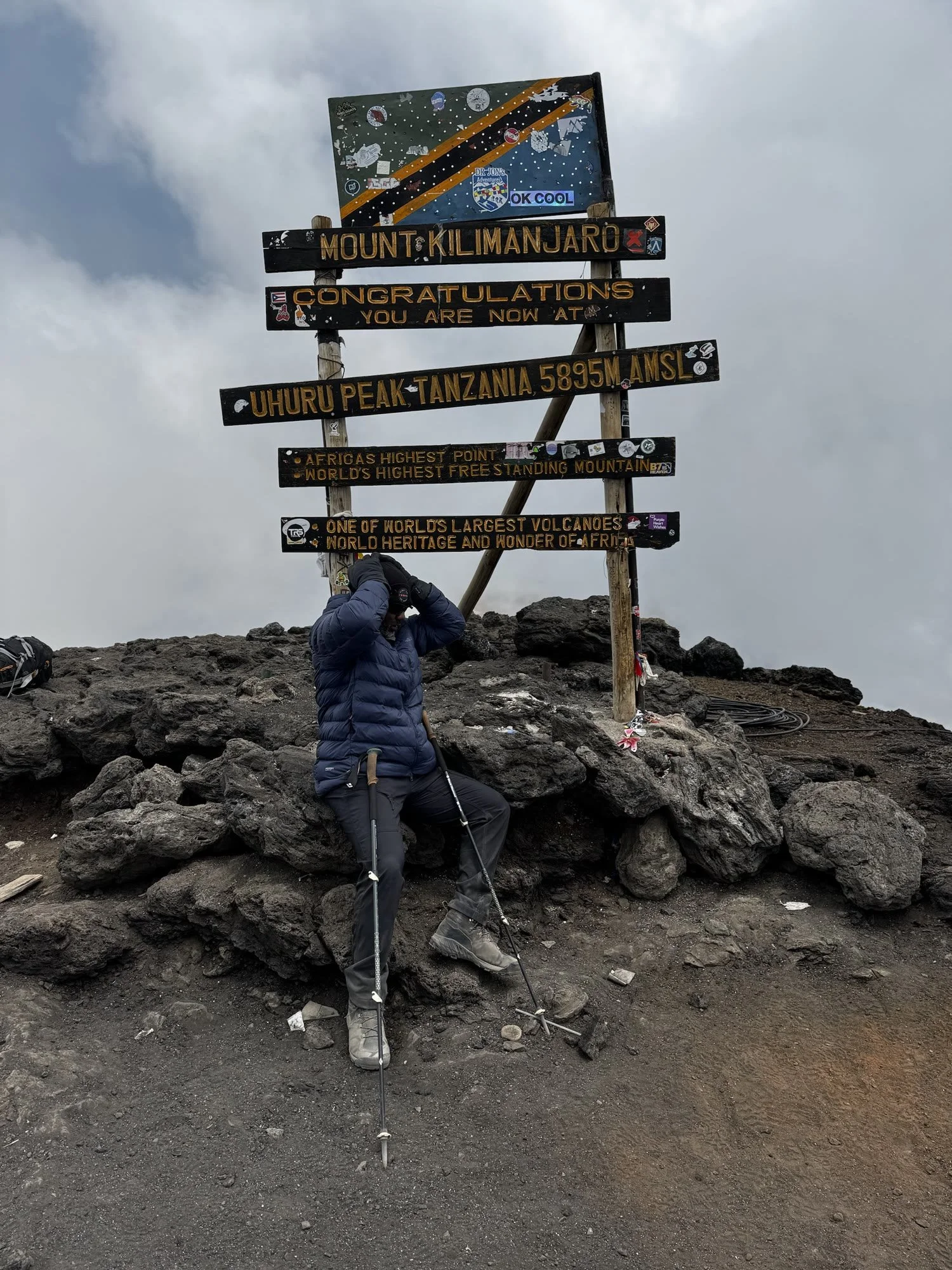
Then you reach Stella Point, at 5,756m.
There's a sign that says CONGRATULATIONS.
Your eyes see one thing. Your brain and body are doing something else entirely. Because the real summit, Uhuru Peak, is at 5,895m.
I wanted to stop right there.
My guide said, "30 more minutes."
Those last 139 metres took me almost 60 minutes to walk.
It's the cruellest joke ever played. And honestly, I applaud anyone who reaches that first sign, or even attempts the climb.
Run your own race
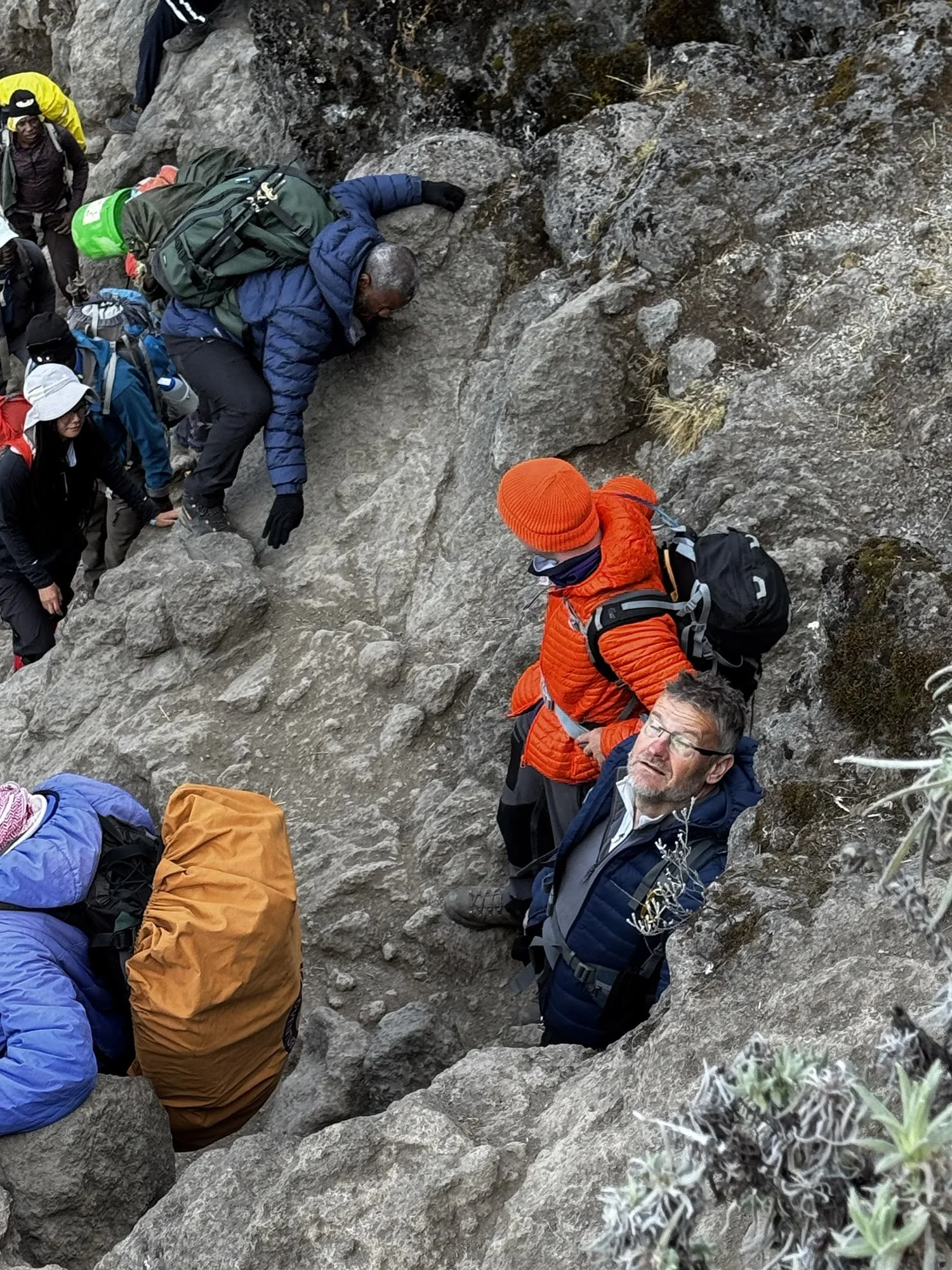
My parents always told me: don't compete with anyone.
So I stayed at the back of our group, on purpose. I paced myself and listened to my body.
With a PT and Army background, it would have been easy to let my ego lead. If I had, I don't think I'd have made it past day two.
The fear of being sent down
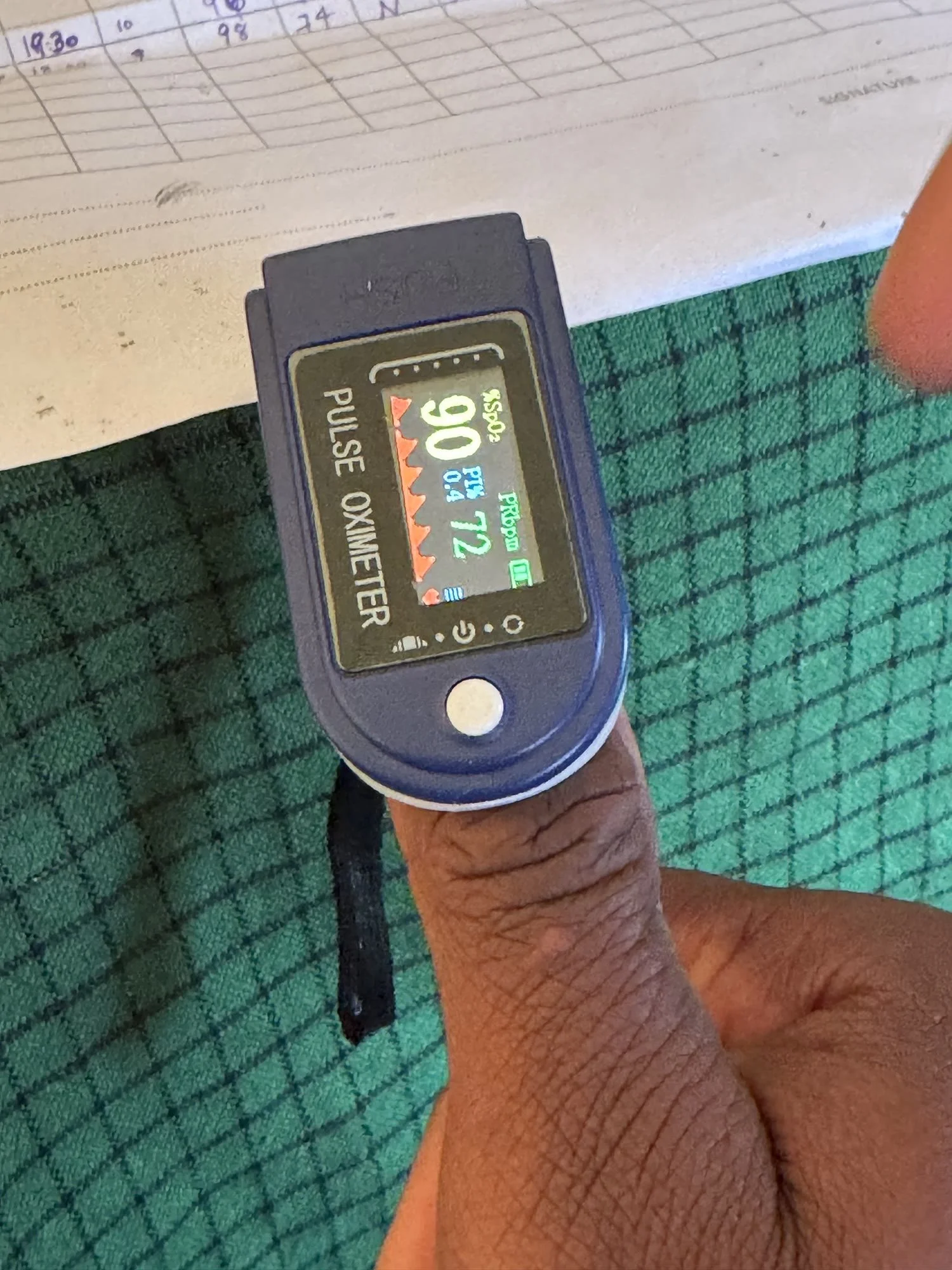
Every evening before dinner, the guides check your pulse and oxygen levels.
If your numbers drop too low, you could be stopped from going any further.
Every single night, I sat there hoping the reading would let me carry on.
Not everyone makes it
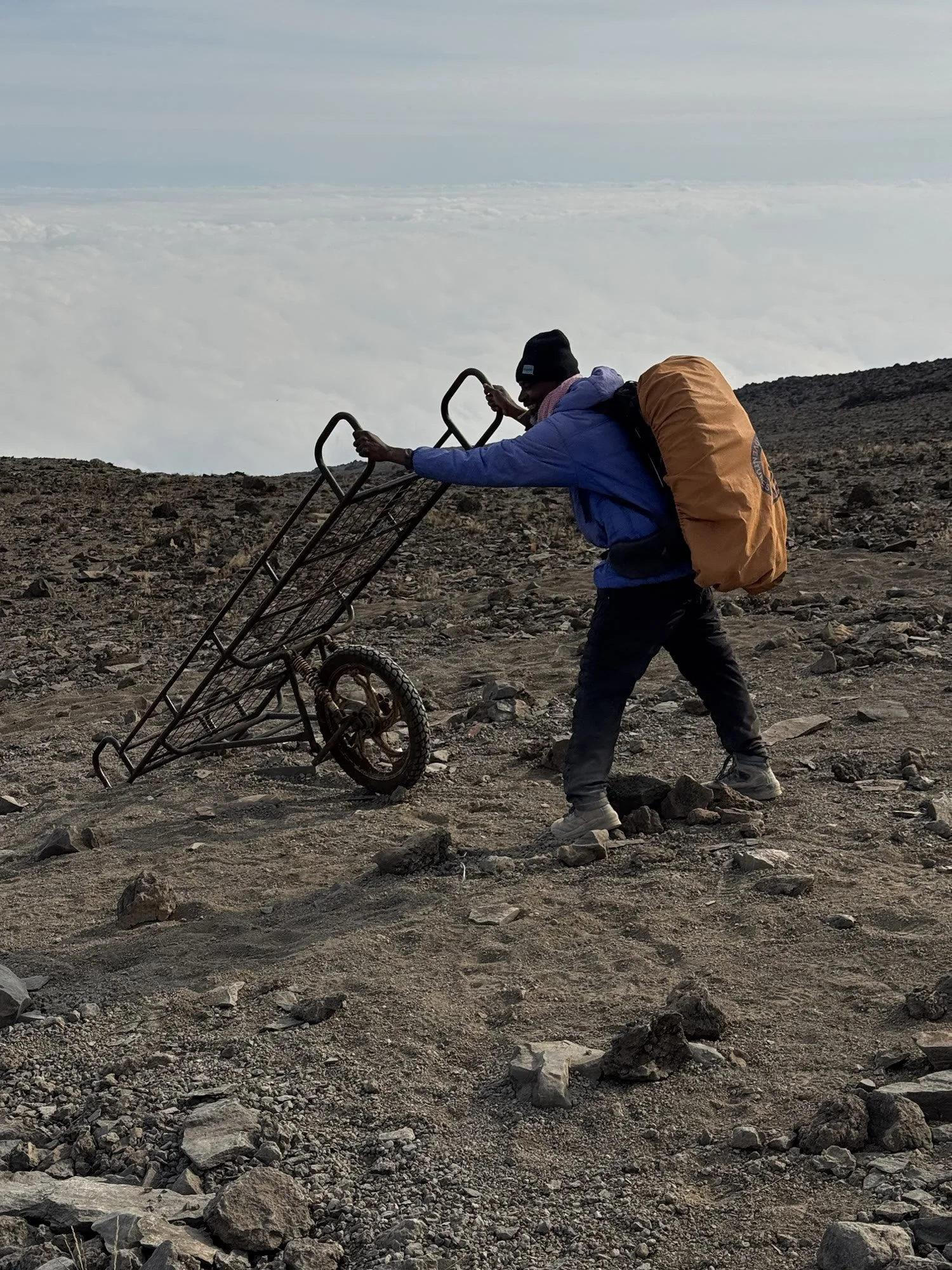
Injury or altitude sickness ends the climb for some people.
There are two ways down. A helicopter, around $2,500 prepaid. I saw more than ten flights in the last two days alone.
Or three to four hours being pushed over rocky ground in what is basically a human wheelbarrow.
I'm proud of everyone who tried, whether they reached the top or not.
The bits you don't see on Instagram
Toilets. You've got three choices. A long drop (not for the faint-hearted, or anyone sensitive to smell). A rentable portable toilet, cleaned daily by a porter and carried between camps. Or the caveman option. You're meant to carry your used paper to the next camp, but plenty of people leave it behind, especially on summit morning.
Sleep. A thin foam mattress that gets swapped between tents. Loud voices after dark, moonlight shining through the tent, wind, rain, freezing nights, other people snoring, and porters up early getting breakfast and hot water ready. My tip: pack earplugs and an eye mask. I used them for the first time in my life.
Appetite. The altitude killed my appetite. Some days I had to shovel down whatever was in front of me, just to have the energy to keep going. Mind you, some of that food was better than meals I've had in high street restaurants.
Hidden costs. After the excitement of booking the trip, there's more to pay for. Vaccinations. Good outdoor gear for every climate zone you walk through.
Here's what's actually going on
Every goal worth having comes with a trade-off.
Kilimanjaro cost me sleep, comfort and money. It also gave me one of the best experiences of my life.
It's the same with your health and fitness.
The people I work with here in Cheltenham often think something's wrong with them because it feels hard. It isn't. Hard is part of the deal. The trick is knowing what you're trading, and doing it at your own pace.
Three things I'd take off the mountain
1. Know the trade-off before you start. Be honest about what your goal will cost you. Time, a bit of comfort, an earlier night. When you expect it, it's much easier to keep going when it shows up.
2. Run your own race. Stay at the back if you need to. Comparing yourself to the person next to you in the gym, or on Instagram, is the fastest way to burn out. Listen to your body. If you've got an old injury, check with your GP or physio and build around it.
3. Don't stop at the false summit. There'll be moments when it feels like you've done enough. Sometimes you have. But sometimes the real progress is just a bit further on, one slow step at a time.
Never take everyday privileges for granted
You can watch documentaries, read books and listen to other people's stories. But nothing beats experiencing something for yourself.
Running water. A heated home. Wifi. Decent footwear. Food in the cupboard. We take so much of it for granted.
It can all be gone in 24 hours.
So the real question is: what's the trade-off you've been avoiding, and is the view at the top worth it to you?
If you're in Cheltenham and you'd like some help working out your own route, at your own pace, book a free 15-minute call. No pressure, just a chat.
Time to "Be More" – L